Owners Club · Digital service history
Volkswagen Polo Owners Club — Maintenance & Provenance
Independent owners’ resource. This page is produced by The Owners Club and is not affiliated with, endorsed by, or sponsored by Volkswagen AG or Volkswagen UK. Confirm specifications, recalls and service against your handbook (VIN) or an authorised retailer. Volkswagen’s official history identifies six Polo generations from 1975. Polo VI (2017–present, MQB) is the current combustion Polo. More than 20 million have been produced. ID. Polo is a separate ID-family BEV — not Polo VII.
Own a Volkswagen Polo? Add it to your Garage. Record servicing, repairs, tyres, documents, inspection history, recalls and ownership milestones. Know your Polo. Record its history. Connect with owners. Keep its story. Useful identity is Polo + generation (I–VI) + body style + engine code + transmission + derivative + model year + market.
Arrived from a club search? See the exact-match Volkswagen Polo Owners Club landing — then use this hub for platforms, issues and the full guide cluster.
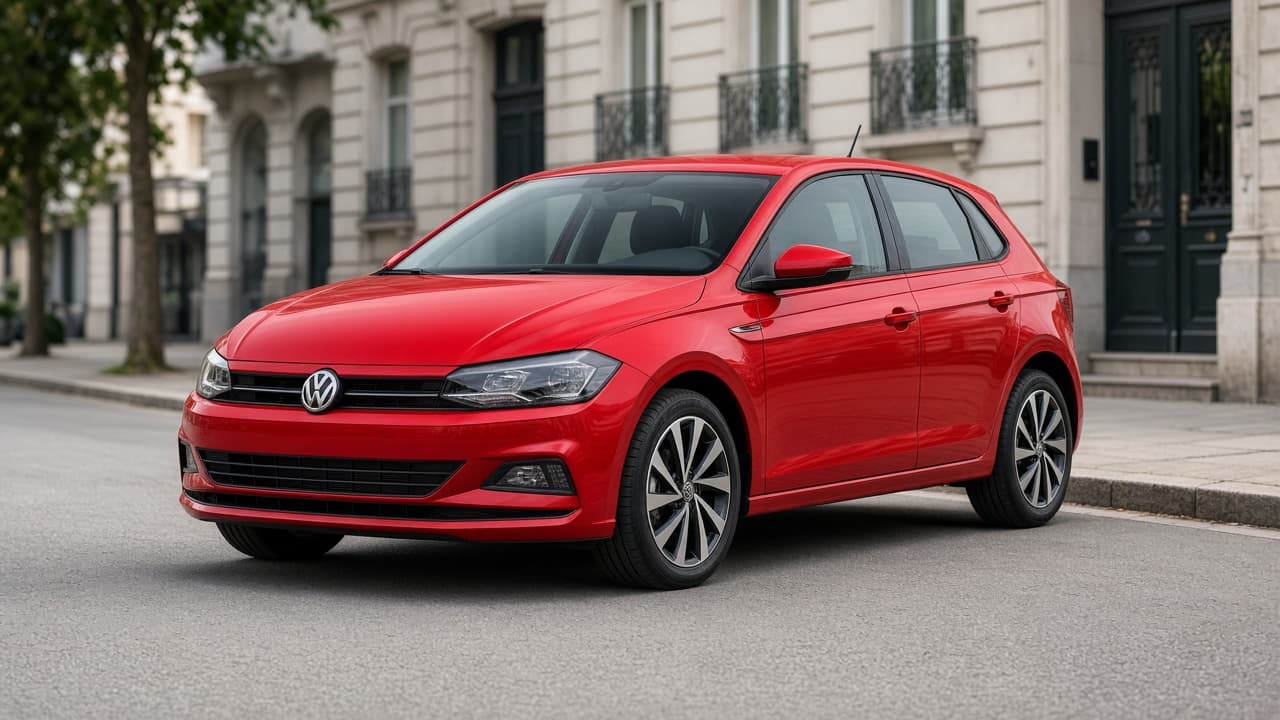
Latest Polo News & Identity Updates
Updated 2026- Global developmentGlobal
50 years of Polo
Volkswagen marked the Polo’s 50th anniversary in 2025, noting more than 20 million vehicles produced across six generations — Polo I through Polo VI. Official history still treats Polo VI as the current combustion Polo.
- TechnicalGlobal
Polo VI on MQB
The sixth-generation Polo launched in 2017 on MQB, with increased dimensions, connectivity and driver-assistance technology. Volkswagen’s 2021 product update (styling, IQ.LIGHT, digital cockpit) is a technical stage of Polo VI — not a seventh generation.
- Regional / product identityGlobal
Polo GTI and the electric future
The combustion Polo GTI remains a Polo VI performance derivative. Separately, Volkswagen presented the ID. Polo GTI in 2026 as its first all-electric GTI (226 PS, 52 kWh, up to 262 miles WLTP in published framing). ID. Polo is not Polo VII.
Model overview — global Polo identity
Small hatchback / supermini, 1975–present. Current generation: Polo VI — 2017–present on MQB. Six generations only. Do not create Polo VII. Technical stages of Polo VI (early / 2021 update / current) track engines, equipment, infotainment and styling inside the same generation. ID. Polo stays in the ID family. Manufacturer data stays distinct from owner-reported themes. VIN / engine code / handbook remain authoritative.
1. Generations & platforms
Polo I — 1975–1981
Small two-door front-engine/front-wheel-drive car related technically to the Audi 50. Hatchback and Derby notchback. Volkswagen launched the Polo in May 1975.
Polo II — 1981–1994
Larger body, squareback/hatchback and Coupé versions, diesel introduction and G40 supercharged performance derivative.
Polo III — 1994–2001
Five-door body introduced, increased dimensions, airbags/ABS, estate, Harlequin and the first Polo GTI in 1998.
Polo IV — 2001–2009
Larger body, three-cylinder engines, turbocharged GTI variants, CrossPolo, BlueMotion, airbags, ABS and power steering. Volkswagen records 4.1 million Polo IV vehicles produced.
Polo V — 2009–2017
Almost four metres long, TSI and common-rail TDI engines, DSG, BlueMotion, CrossPolo, GTI and Polo R WRC. Volkswagen records 6.3 million produced. The Polo R WRC won four consecutive WRC titles from 2013 to 2016.
Polo VI — 2017–present (current)
MQB platform. Increased length and wheelbase versus Polo V, with 351 litres of luggage at launch. Derivatives include Life / Style / R-Line (market trims), Polo GTI, GTI Edition derivatives, Beats and other special editions. Technical stages: polo-vi-early, polo-vi-update (2021 product update), polo-vi-current — not new generations.
Polo GTI — performance hatch derivative
Polo GTI has existed since 1998 and remains the combustion performance derivative. Polo GTI Edition 25 used a 2.0-litre TSI with 152 kW (207 PS) and 320 Nm, FWD, 0–100 km/h in 6.5 seconds — availability was market-specific.
G40 — historical Polo II performance derivative
Supercharged G40 remains a historical Polo II derivative — not a generation of its own.
Polo R WRC — Polo V performance / motorsport derivative
Polo R WRC is an important performance derivative in Polo V history (four consecutive WRC titles 2013–2016). Keep R WRC identity explicit — not a seventh generation.
CrossPolo — rugged-look derivative
Rugged-look derivative on selected generations (notably Polo IV/V). Not a separate generation. Regional sedan/notchback (Derby and later) need market metadata.
ID. Polo — separate BEV family (not Polo VII)
Volkswagen presented the ID. Polo GTI in 2026 as its first all-electric GTI. Published framing includes 226 PS, a 52 kWh battery and up to 262 miles WLTP. Official architecture is MEB+. Database rule: Volkswagen Polo → Polo VI combustion; Volkswagen ID. Polo → ID. Polo BEV → ID. Polo GTI.
Always log generation (polo-i … polo-vi), Polo VI stage where relevant, body style, derivative, model year, engine code and market before comparing themes.
2. Market & model information
- Engine, trim, transmission, body style and equipment vary by market and year
- Service programmes and inspection systems are market-local — never assume UK MOT globally
- US / Canada: not sold as mainstream retail Polo under that nameplate
- South Africa, India and Latin America: treat as original-market VIN cases — not EU clones
Market is context, not a wall. Distinguish EU/UK, South African, Indian, Latin American and other regional configurations rather than treating every Polo as mechanically identical. A Polish Polo VI 1.0 TSI DSG owner can still use UK/German/Spanish discussions where generation, engine code and gearbox match.
3. Engines, powertrains & body styles
Depending on market and year: MPI petrol, TSI petrol, TDI diesel and GTI 2.0 TSI. Manual and DSG. Predominantly FWD. Do not present one engine list as universal.
Petrol — MPI and TSI
Turbocharged three- and four-cylinder engines depending on market/year. Same displacement badge does not guarantee identical hardware or timing system.
Diesel — TDI / common-rail
TDI on relevant generations and markets. Diesel suitability depends on use and emissions regulations. DPF/EGR/turbo themes belong with usage profile.
Performance — GTI, G40, R WRC
Polo GTI since 1998; G40 on Polo II; Polo R WRC on Polo V. Edition 25: 2.0 TSI 152 kW (207 PS) / 320 Nm — market-specific.
Transmissions
Manual and DSG automatic depending on version. Store gearbox code where known. DSG maintenance is configuration-dependent.
Body styles
Hatchback is primary. Coupé (Polo II), estate (historical family), sedan/notchback (Derby and later regional), CrossPolo, GTI hatch. Regional derivatives retain market metadata.
Confirm VIN / engine code / gearbox before logging timing, DSG, diesel or GTI themes.
4. Honest pros
- Excellent global recognition
- Large owner community
- Strong parts and specialist ecosystem
- Huge used-car market
- Efficient small-car packaging
- Wide historical engine range
- Strong safety development
- Excellent urban usability
- Strong GTI heritage
- MQB architecture on Polo VI
- Strong Volkswagen specialist ecosystem
- Excellent candidate for detailed provenance tracking
5. Honest cons
- Large market/specification variation
- Generation-specific engine issues
- DSG maintenance is configuration-dependent
- Older small cars are often poorly documented
- Imports can have unfamiliar specifications
- GTI cars may be modified
- Newer cars have more software/electronics complexity
- Diesel suitability depends on use and emissions regulations
6. Common owner-reported themes
These are investigation themes, not universal faults. Always filter by engine code, model year, market and gearbox. Never present owner reports as confirmed defects.
Polo III / IV
Electrical faults, cooling systems, window mechanisms, suspension wear, corrosion on older cars, clutch/gearbox wear.
Polo V
Certain TSI timing-chain/oil-consumption concerns, DSG/mechatronic issues on relevant configurations, water pump/cooling issues, infotainment/electrical faults, suspension/brake wear.
Polo VI
Infotainment/software, 12V/electrical behaviour, driver-assistance sensors, DSG servicing, cooling systems, suspension and tyres, engine-specific concerns.
GTI
Performance wear, tyres, brakes, DSG, cooling, tuning/modification history, accident/track-use history.
DSG
Configuration-dependent. Log gearbox code, fluid invoices and adaptation work. Do not copy one Polo DSG story onto every automatic.
Cooling
Water pump / cooling themes appear across several generations — record mileage, parts and engine code.
Electrical / infotainment
Older cars: windows, corrosion-related electrics. Polo VI: software, 12V, ADAS sensors. Log battery replacements and software dates.
7. Service & maintenance
Do not publish a universal Polo service interval. Record VIN, registration, market, generation, model year, engine code, fuel, transmission, drivetrain, mileage, date, service type, oil, filters, spark plugs, timing system, coolant, brakes, tyres, battery, DSG service, software, recalls/campaigns and documents.
| Item | Typical interval | Notes |
|---|---|---|
| Scheduled service — VW Fixed / Flexible | Per VIN / handbook | Market, MY, engine and gearbox specific — never one Polo table. |
| Engine oil & filter | Per programme | Oil grade is engine-code specific. Keep invoices. |
| Timing system | Engine-code specific | Belt vs chain differs — never invent a Polo-wide claim. |
| Spark plugs (petrol) | Per handbook | Petrol MPI/TSI/GTI only. |
| DSG service (where fitted) | Per gearbox & handbook | DQ200 and other boxes need gearbox-code evidence. |
| Brake fluid | Per handbook (often ~24 months) | Calendar item — confirm market schedule. |
| 12V battery test | Every service / on symptoms | Polo VI infotainment/ADAS cars are sensitive to weak 12V. |
| Recall / campaign check | At every service | VIN- and market-specific — never assume one country’s recall is global. |
UK Fixed (~12 months / ~9,300 miles) vs Flexible examples are UK market framing only.
8. Inspection & roadworthiness
Use market-specific terminology. Inspection history should be stored against the vehicle VIN.
- UK MOT — not a global name for every test
- Germany TÜV/HU
- Spain ITV
- Poland / Hungary periodic inspection
- Turkey TÜVTÜRK
- US state-specific inspection/emissions; Australian state/territory rules
A pass is not a manufacturer service stamp. Record both.
9. Recalls & campaigns
- Check manufacturer campaign tools for this VIN and market
- National recall authorities differ — do not copy one country’s campaign list globally
- Log completion in Digital Service History
Store campaign/recall number, market, production range, component, risk, remedy, completion status, source and VIN check date where supported. Never imply that one recall applies to every Polo.
10. Official resources
Priority: Volkswagen owner/service information; Volkswagen recall/campaign information; national recall authorities; roadworthiness authorities; manufacturer technical documentation; reputable specialists; owner communities. Volkswagen’s official 50-year Polo material is the primary source for the six-generation taxonomy.
- Volkswagen Newsroom — 50 years of Polo
- Volkswagen UK — 50 years of Polo
- Volkswagen Newsroom — ID. Polo GTI (separate family)
- GOV.UK — Check vehicle recall
- Volkswagen owner manuals / regional documentation for non-UK markets
- Service schedule and maintenance records in your Digital Garage
11. Buying a used Polo
- Identity: VIN, registration, generation, model year, engine code, gearbox, market/import status, body style
- Mechanical: cold start, oil/coolant leaks, turbo, clutch, DSG, gearbox noise, suspension, steering, brakes and tyres
- Electrical: battery, infotainment, windows, locking, lights, parking sensors/cameras and driver assistance
- GTI: tuning, ECU remap, intake/exhaust, brakes, tyres, suspension, DSG, accident and track-use history
- Diesel: DPF, EGR, turbo, injectors, emissions system and usage profile
- Documents: service history, invoices, recalls, inspections, two keys where available
12. Own a Polo? Protect its resale value
Track ownership timeline, mileage, servicing, MOT/inspection, repairs, tyres, brakes, recalls, modifications, accident/bodywork, photographs, invoices and diagnostic reports. Transfer Pack: buyer-ready PDF with vehicle identity, specification, mileage, service history, inspections, repairs, parts, tyres, recalls, photographs, ownership history, outstanding maintenance and documents. Know your Polo. Record its history. Connect with owners. Keep its story.
- Add Polo to Garage — generation, derivative, engine code and gearbox fields
- Build digital service history with invoices and mileage
- Track inspections, recalls, DSG/timing work, parts and documents
- Build a Transfer Pack for the next owner
- Join the community — tags: polo, polo-i…polo-vi, polo-gti, g40, r-wrc, crosspolo, tsi, tdi, dsg, mpi, mqb, id-polo
Guides & checklists
More Volkswagen models
Compare platforms, service themes and digital service history tools across the range.
FAQ
How many Polo generations are there?+
Volkswagen identifies six generations: Polo I (1975–1981), Polo II (1981–1994), Polo III (1994–2001), Polo IV (2001–2009), Polo V (2009–2017) and Polo VI (2017–present).
Is Polo VI still current?+
Yes. Volkswagen’s current historical material identifies Polo VI as 2017–present. The 2021 product update is a technical stage of Polo VI, not Polo VII.
Is ID. Polo Polo VII?+
No. ID. Polo is a separate BEV model family. The ID. Polo GTI is an electric GTI derivative, not a seventh combustion Polo generation.
When did Polo GTI begin?+
The Polo GTI first appeared in 1998 during Polo III. It remains the combustion performance derivative on Polo VI.
Is every Polo mechanically identical?+
No. Engines, transmissions, body styles and equipment vary significantly by generation and market — including South African, Indian and Latin American configurations.
What platform is Polo VI?+
Polo VI launched in 2017 on MQB. Volkswagen’s UK history records an 81 mm length increase, 92 mm wheelbase increase and 351 litres of luggage capacity at launch versus the previous generation.
Polo owner discussions
Latest conversations from Volkswagen Polo owners in the club.
Used Polo AW buying checklist — DSG, belt, and interior rattles
Club Editorial · 1 reply
Start-stop battery drain on a parked Polo — AGM replacement tips
Club Editorial · No replies
Polo AW 1.0 TSI — timing belt interval in the real world?
Club Editorial · No replies
Polo 6C DQ200 — clutch life and warning signs before it goes?
Club Editorial · 1 reply
Timing chain vs belt on the 1.0 — putting this here so it stops coming up as a question in the group chat
Club Editorial · No replies
Join the Volkswagen Owners Club Community
Add it to The Owners Club for free to track its maintenance timeline, import UK MOT history, and transfer verified provenance when you sell.