Owners Club · Digitális szervizelőzmény
Volkswagen Transporter Owners Club — Maintenance & Provenance
Independent owners’ resource. This page is produced by The Owners Club and is not affiliated with, endorsed by, or sponsored by Volkswagen AG or Volkswagen UK. Confirm the vehicle handbook (VIN) or an authorised retailer before booking work. The Transporter is Volkswagen’s commercial van and people-carrier platform across seven official generations (T1–T7). Current commercial generation is T7 (from ≈2024). T6.1 (≈2019–) is a technical update of T6 — not a separate generation. Multivan and ID. Buzz are separate models.
Own a Volkswagen Transporter? Add it to your Garage. Track service history, mileage, repairs, tyres, brakes, sliding doors, conversions, racking, recalls, inspections, documents and ownership changes. Know your Transporter. Record its history. Connect with owners. Keep its story.
Klubkeresésből érkezett? Lásd a pontos egyezést Volkswagen Transporter Owners Club landing – majd ezt a hubot használja a platformokhoz, problémákhoz és a teljes útmutatófürthöz.
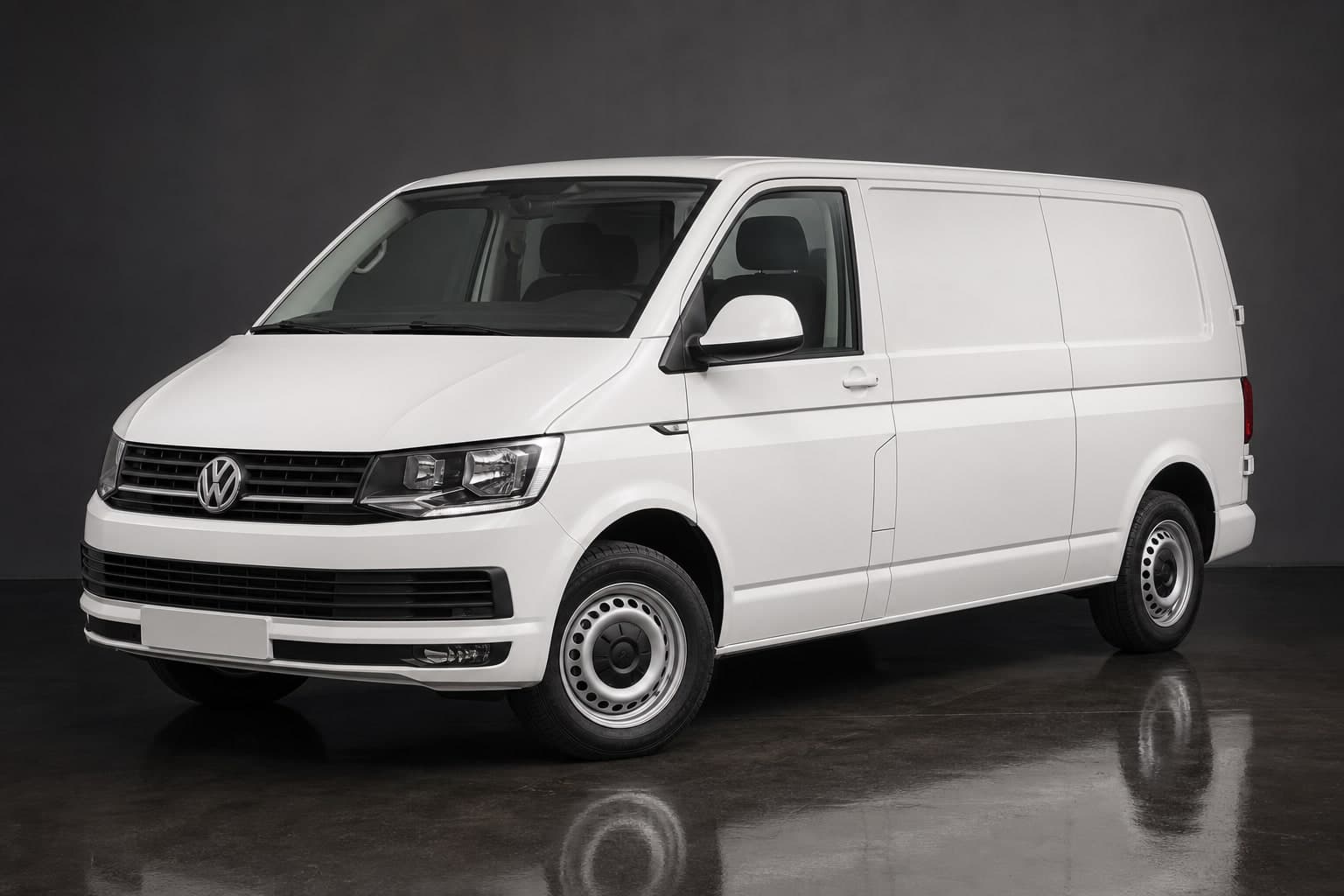
Latest Transporter News & Lifecycle Updates
Updated 2024–2026- Global developmentEurope
Transporter T7 commercial generation
Volkswagen’s current commercial Transporter generation is T7 (from ≈2024), succeeding T6/T6.1 on the commercial van platform. Multivan T7 and ID. Buzz are separate models — not aliases of Transporter T7.
2024Volkswagen →
- TechnicalEurope
TDI, eHybrid and e-Transporter powertrains
Recent Transporter generations combine TDI diesel with plug-in eHybrid where offered and the battery-electric e-Transporter on selected markets. Exact availability is model-year and market-specific — confirm VIN.
TechnicalVolkswagen →
- RegionalEurope
Commercial platform and body diversity
Panel Van, Kombi, Crew, Shuttle and Caravelle-related configurations share the Transporter commercial identity across Europe. LWB and High Roof packs, fleet conversions and camper builds are usage profiles — not new generations.
ProductVolkswagen →
Read first — global Transporter identity
Seven official generations from 1950 (T1–T7). Current commercial generation is T7 (from ≈2024). T6.1 is a T6 update — not a separate generation. Bodies: Panel Van, Kombi, Crew, Shuttle, Caravelle-related, LWB, High Roof. Powertrains: TDI, eHybrid, e-Transporter, historic petrol. FWD and 4MOTION on selected configs. Transporter T7 ≠ Multivan T7 ≠ ID. Buzz. Market is context, not a wall. Confirm VIN.
1. Generations & platforms
Transporter T1 — 1950–1967
The original Type 2 “Splitscreen” commercial van and bus platform. Air-cooled petrol, panel and kombi bodies, foundational VW commercial identity.
Transporter T2 — 1967–1979
Bay-window era. Expanded body range, air-cooled petrol, camper and panel variants depending on market.
Transporter T3 — 1979–1992
Water-cooled evolution (Vanagon in some markets). Petrol and diesel options, syncro AWD on selected versions, panel/kombi/bus forms.
Transporter T4 — 1990–2003
Front-engine/front-wheel-drive commercial architecture. TDI diesel arrives; panel van, kombi, multivan-related people-carrier context. Timing and diesel systems are engine-code specific.
Transporter T5 — 2003–2015
TDI-focused working platform. Panel Van, Kombi, Shuttle and Caravelle-related trims. DSG on selected configs; 4MOTION where fitted. Camper and fleet conversions common.
Transporter T6 — 2015–
Refined T5-era commercial architecture. TDI, later eHybrid where offered, DSG/DQ500 on relevant cars, 4MOTION selected. Taxonomy: T6.1 (≈2019–) is a technical/product update of T6 — not a separate generation.
T6.1 update — not a new generation
Treat ≈2019– revisions as technical/product stages inside T6 (transporter-t6 · transporter-t6-early · transporter-t6-1-update). Do not create a separate T6.1 generation.
Transporter T7 — ≈2024–present
Current commercial Transporter generation. TDI, eHybrid and market-specific configurations. Separate from Multivan T7 and ID. Buzz — related vehicles only. Do not create a new generation for future facelift/software stages unless Volkswagen officially identifies one.
Related vehicles (separate hubs)
Technical relationships — not identical vans. Volkswagen: Caddy, ID. Buzz, ID. Buzz Cargo. Multivan is a separate model hub — not a Transporter alias. Group context: Crafter (larger LCV).
Always identify generation, technical stage (T6.1 inside T6), body config, powertrain, commercial use profile and market before applying a theme. Exhaustive engine-code matrices are deferred (V2).
2. Market & model information
- Use the market selector for engines, service and inspection panels
- Germany, France, Italy and dedicated China rows are deferred — Europe/Global framing applies until curated
- Grey imports must use the original-market handbook and VIN schedule; commercial registration class affects inspection rules
Transporter bodies, engines, wheelbases, emissions and trims vary by market and generation. Never present one country’s specification as universal. Pricing varies by market. US Vanagon history and EU T7 commercial packs are not interchangeable.
3. Commercial Use Profile
Fleet duty, conversions, camper builds, racking and high-payload use are provenance dimensions — not generations. They help buyers and insurers understand real-world usage.
- Fleet duty — log operator, mileage pattern and maintenance contract if known
- Racking / shelving — photograph fit-out and keep fitter invoices
- Camper conversion — separate gas, electrical and habitation checks from factory ICE service
- Shuttle / Caravelle-related people-carrier — window seats, ISOFIX and rear HVAC wear
- High-roof / LWB — check load-area integrity, roof fixtures and tailgate alignment
- Towing / payload history — log bars, wiring and brake upgrades with dates
Commercial provenance belongs beside factory service stamps — especially on ex-fleet and conversion vans.
4. Body styles & wheelbase
Panel Van
Windowless load area — dominant fleet configuration. Check rear doors, load anchoring and interior trim wear.
Kombi
Mixed window/load layout — common on working fleets needing occasional passenger rows.
Crew / double-cab
Second row seats with reduced load length — log seat count and bulkhead fitment.
Shuttle
People-carrier seating on the commercial platform — sliding doors and seat wear are inspection themes.
Caravelle-related
Higher-spec people-carrier trim family related to Shuttle — not a separate generation. Log trim and seat layout.
LWB (long wheelbase)
Extended wheelbase for volume — check overhang protection, rear door alignment and tyre wear.
High Roof
Raised roof for standing/load height — inspect roof fixtures, leaks and conversion penetrations.
5. Powertrains / engines / transmissions
Global overview only. Exact outputs are market- and year-specific. Confirm VIN.
TDI diesel
Primary powertrain from T4 onward on working Transporters. DPF/EGR/AdBlue themes follow usage and engine code — not universal failure rates.
eHybrid plug-in
Plug-in hybrid on selected T6.1/T7 configurations where offered. Keep HV charging, battery and software records separate from TDI oil stamps.
e-Transporter BEV
Battery-electric commercial derivative where listed. BEV brake-fluid, tyre and 12V behaviour differ from ICE schedules — follow the e-Transporter handbook.
Historic petrol
Air-cooled and early water-cooled petrol on T1–T3 and selected later markets where honestly offered — confirm generation before applying ICE themes.
Transmissions
Manual, conventional automatic and DSG (incl. DQ500 on relevant T6/T7 configs). Fluid intervals are gearbox-code specific.
Drivetrain
Primarily FWD on T4–T7; synco/4MOTION on selected T3–T7 configurations. Log drive type for service and resale.
Do not treat one country’s engine list as global. Exhaustive codes are a V2 database item.
6. Honest Pros
- Iconic seven-generation commercial history (1950–present)
- Huge European parts and specialist ecosystem
- Flexible body and wheelbase range
- Strong TDI touring and fleet capability
- Camper/conversion community and provenance potential
- 4MOTION option on selected configs
- Current diesel/PHEV/BEV choice
- Excellent provenance opportunity
7. Honest Cons
- Extremely broad specification across seven generations
- Commercial/fleet use can mean heavy wear
- DSG/DQ500 maintenance is configuration-dependent
- Diesel emissions systems can become expensive on short cycles
- Conversion quality varies — poor fit-outs hurt resale
- Sliding-door/tailgate wear
- Suspension/brake wear
- Aftermarket electrical work can be difficult to verify
8. Owner-reported themes
Investigation themes, not universal defects and not diagnostic advice. Always filter by engine code, transmission, body config, commercial use, market and model year. Never invent failure rates.
DSG / DQ500 (where fitted)
Harsh shifts, mechatronic and fluid-change gaps on relevant T6/T7 configs. Gearbox-code and invoice evidence first.
DPF / EGR / AdBlue
Urban delivery and short-cycle fleet use on TDI vans — investigation theme tied to usage, not a universal defect rate.
Timing belt / chain
Engine-code specific across T4–T7 — never one Transporter timing claim. Keep belt/chain kit invoices with mileage.
Sliding doors & tailgates
Rollers, tracks, cables and rear-door alignment on high-cycle commercial and shuttle configs.
Conversions / racking / camper
Electrical, gas, payload and structural fit-out quality — log fitter identity and inspection paperwork.
Fleet duty & provenance
High annual mileages, deferred maintenance and unknown payload history — provenance beats a vague “one owner” claim.
9. Service & maintenance
Never publish one universal Transporter service interval. Record VIN, market, model year, generation, engine code/family, fuel/powertrain, transmission, drivetrain, body config, commercial use, mileage/date, oil specification, filters, plugs, timing, DSG/DQ500, 4MOTION, brakes/coolant/battery/tyres, eHybrid/e-Transporter HV items, software updates, recalls and invoices.
| Item | Typical interval | Notes |
|---|---|---|
| Manufacturer schedule | VIN / market | Handbook, cluster and retailer system are authoritative |
| UK Fixed oil + inspection | ~9,300 miles / 12 months | UK-labelled framing only — common on commercial Fixed coding |
| UK Flexible / LongLife oil | Up to ~18,600 miles / 24 months | UK-labelled; follow the service display — less common on fleet vans |
| DSG / DQ500 fluid | Gearbox-code specific | Wet vs dry clutch are different jobs |
| 4MOTION / Haldex (where fitted) | Hardware-specific | Keep invoices — buyers check these |
| Timing belt / chain | Engine-code specific | Never one claim for every Transporter |
| eHybrid / e-Transporter HV checks | Alongside ICE or BEV cycle | Keep powertrain families separate; charging and battery-health records |
| Software / campaigns | When issued / at service | Especially later T6.1/T7 infotainment and ADAS |
Use the market selector. UK miles are not a global rule. Commercial Fixed cycles often annual. Intervals are whichever comes first unless noted.
10. Inspection & roadworthiness
Use market-specific terminology. Never title this “MOT” globally. Inspection history belongs to the individual vehicle and registration class.
- United Kingdom — MOT (including many commercial classes)
- Germany — TÜV / Hauptuntersuchung (HU)
- Spain — ITV · Poland / Hungary — periodic inspection
- Turkey — TÜVTÜRK · US/Canada/AU — state/provincial rules
Record certificates separately from manufacturer service stamps.
11. Recalls & campaigns
- Check manufacturer recall resources for the VIN and market of registration
- UK: GOV.UK vehicle recall checker (where applicable)
- US: NHTSA VIN recall search for US-market vehicles
Store VIN-specific or market-specific information where supported: campaign number, market, production range, component, risk, remedy, completion status, source and check date. Never generalise a recall across all Transporter generations.
12. Official resources
Priority: Volkswagen owner/service information; Volkswagen recall/campaign information; national recall authorities; roadworthiness authorities; manufacturer technical documentation; reputable LCV/camper specialists; owner communities.
- Volkswagen owner manuals / regional sites for non-UK markets
- Service schedule and maintenance records in your Digital Garage
- National roadworthiness portals via the market selector
13. Buying a used Transporter
- Identity: VIN, registration, generation, T6.1 stage if applicable, engine code, gearbox, drivetrain, body config (Panel/Kombi/Shuttle/Caravelle-related/LWB/High Roof), market/import status
- Mechanical: cold start, oil/coolant leaks, turbo, clutch, DSG/automatic, suspension, steering, brakes, tyres
- Diesel: DPF, EGR, AdBlue, turbo, injectors, usage history — urban fleet vs motorway
- eHybrid / e-Transporter: charging, battery condition, cables, HV warning history, software — separate from TDI rows
- Sliding doors & tailgate: rollers, tracks, alignment, load-area damage, leaks on high-roof conversions
- Commercial profile: fleet duty, racking, camper conversion paperwork, payload/towing history
- Documents: service history, invoices, recalls, inspections, ownership docs
- Ex-fleet / high-mileage: expect heavier wear — provenance beats a vague “full history” claim
14. Related vehicles
Technical relationships — not identical vans. Separate model hubs stay separate.
- Volkswagen Multivan — separate people-carrier model; Multivan T7 is not a Transporter T7 alias
- Volkswagen ID. Buzz — separate MEB BEV people-carrier platform
- Volkswagen ID. Buzz Cargo — BEV commercial sibling; related hub only
- Volkswagen Caddy — smaller LCV neighbour on shared Group context
Use Related Vehicles links — never merge Multivan, ID. Buzz or Caddy into Transporter identity.
15. Own a Transporter? Protect its resale value
Track ownership, mileage, servicing, inspection/MOT, repairs, tyres, brakes, sliding-door work, DSG/DQ500 and 4MOTION jobs, conversions/racking/camper fit-outs, recalls, software, modifications, accident/bodywork, photographs and diagnostic reports. Know your Transporter. Record its history. Connect with owners. Keep its story.
- Add Transporter to Garage — generation, body config, powertrain and commercial use profile
- Build digital service history with invoices and mileage
- Track inspections, recalls, DSG/timing/eHybrid/e-Transporter/4MOTION work, parts and documents
- Build a Transfer Pack PDF for the next owner
- Join the community — tags such as transporter-t6, transporter-t6-1, transporter-t7, panel-van, kombi, shuttle, caravelle, tdi, ehybrid, e-transporter, dsg, dq500, 4motion, camper, fleet
Útmutatók és ellenőrző listák
További Volkswagen modellek
Hasonlítsa össze a platformokat, a szolgáltatási témákat és a digitális szolgáltatástörténeti eszközöket a kínálatban.
GYIK
How many Transporter generations are there?+
Seven: T1 through T7. Do not invent additional generations.
Is T6.1 a separate generation?+
No. T6.1 (≈2019–) is a technical/product update of T6 — treat it as a stage inside T6, not a new generation.
Is Transporter T7 the same as Multivan T7?+
No. They are separate Volkswagen models with separate hubs. Multivan is not a Transporter alias.
Is Transporter T7 the same as ID. Buzz?+
No. ID. Buzz is a separate BEV people-carrier/MEB model. Transporter T7 remains the commercial ICE/PHEV platform.
How often should you service a Transporter?+
Never from one universal table. Intervals vary by market, year, engine code, transmission, commercial use and Fixed vs Flexible coding. Confirm the VIN schedule. UK mile examples are market-labelled only.
What is the Commercial Use Profile?+
Fleet duty, conversions, camper builds, racking and high-payload use are provenance tags — they help buyers understand how the van was used without inventing new generations.
Transporter tulajdonosi beszélgetések
A klub Volkswagen Transporter tulajdonosainak legújabb beszélgetései.
Még nincsenek beszélgetések a Transporter modellről. Legyél az első tulajdonos, aki elindítja!
Kérdezz / Fotót posztoljCsatlakozz a Volkswagen Owners Club közösséghez
Adja hozzá ingyen a The Owners Clubhoz, hogy nyomon követhesse karbantartási ütemtervét, importálhassa az Egyesült Királyság MOT-történetét, és eladáskor átadhassa az ellenőrzött származást.